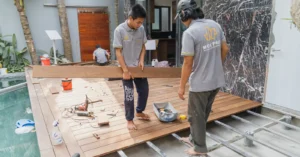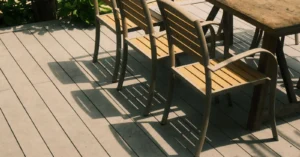

There is no single figure we can give you for decking in Dublin, and anyone who quotes you one before seeing the garden is guessing. What a deck costs comes down to the size of the area, the material you pick, how level or sloped the site is, and how easy it is to get materials into the back garden. We have fitted decking in gardens in Dundrum that took a day longer just because of a narrow side passage, and others in Swords that went in quickly because there was clear access straight off a driveway.
The Main Things That Move the Price
Size matters, obviously, but it is not the only thing. A small, awkward deck with lots of corners and steps can end up costing more per square metre than a large, simple rectangle. The shape of your garden and what you want the deck to do (dining space, a path down to a shed, a raised platform off the back door) all change the labour involved far more than most homeowners expect.
Ground condition is the other big one. Dublin gardens vary a lot depending on the area. Older red-brick properties around Drumcondra and Glasnevin often have compacted clay with old rubble a few inches down, which can slow digging and footing work. Newer estates in places like Swords tend to have more consistent fill, but drainage can still be poor if the site was never properly graded. Either way, the groundworks stage is where a job either goes smoothly or runs into trouble, and it is very hard to price accurately without actually seeing the ground.
Timber or Composite: Which Costs More Over Time
Timber decking is usually cheaper to install than composite, and it looks lovely when it is freshly laid. The catch is maintenance. Irish weather is hard on timber. If you are not staining or oiling it every year or two, and cleaning off algae before it gets slippery, a timber deck can look tired within a few years and start needing boards replaced. We cover the full picture on our timber decking page if you want to see what is involved.
Composite decking costs more upfront, generally by a noticeable margin, but you are paying for decades of low maintenance rather than annual upkeep. For anyone who wants to actually use the deck rather than spend weekends treating it, composite is usually the better long term call, especially on shaded Dublin gardens where timber stays damp and green far longer than people expect.
Raised Decking Adds a Different Layer of Cost
Plenty of Dublin houses, particularly older terraces and semis where the back door sits well above garden level, need a raised deck rather than a ground level one. This means a sub-frame, posts, bearers, and usually a balustrade and steps. It is a different job to a straightforward ground level deck and the structural work pushes the cost up. If your site has any real drop from the house to the garden, have a look at our raised decking page before you start comparing quotes, because a quote for a flat ground level deck is not comparable to what you actually need.
Planning Permission and Why It Is Worth Checking First
Most domestic decks in Dublin fall under exempted development, but this depends on things like the height of the deck above ground level, how close it is to your boundary, and whether it sits within your rear garden’s curtilage limits. These thresholds can and do get interpreted differently case by case, and we are not planning consultants. Before committing to a raised deck or anything close to a boundary, check the current position with Dublin City Council or your relevant local authority (South Dublin, Dún Laoghaire-Rathdown or Fingal, depending on where you are). It takes one phone call and saves a lot of grief later.
What Actually Pushes a Dublin Decking Job Up or Down in Price
- Pushes it up: sloped or uneven ground, raised structures needing steps and balustrades, poor access requiring hand-carrying materials, removing an old deck or patio first, drainage issues that need fixing before any decking goes down, composite material, intricate shapes or multiple levels.
- Keeps it down: a flat, rectangular area, good access for a van or skip, timber decking rather than composite, a simple single-level design, and groundworks that do not throw up surprises once we start digging.
The Mistake We See Most Often
Homeowners price based on the deck boards alone and forget the groundworks, joists, and drainage underneath, which is usually where most of the real cost and most of the longevity of the job actually comes from. A deck that looks identical on day one can last five years or twenty years depending entirely on what went in underneath it and whether water can get away from the frame. We would always rather spend a bit more time getting the substructure and drainage right than cut corners to hit a lower number, because that is the part you cannot see once the boards go down and the part that causes almost every repair call we get.
If your existing deck is sagging, bouncy underfoot, or has boards lifting, it is often cheaper in the long run to deal with it properly through decking repairs or a full decking replacement than to keep patching it year after year.
Getting an Accurate Quote
The only way to get a real number for your garden is to have someone look at the site, measure it, check the ground and talk through what you actually want from the space. We have been installing decking across Dublin for over 21 years, from small garden decks in Terenure to larger raised builds in Clontarf and Stillorgan, and every single one has come down to the specifics of that site. If you want an honest figure for your own garden rather than a guess, get in touch through our decking installation services page and we will come back to you with a proper quote based on what you actually have.
Frequently Asked Questions
Is composite decking worth the extra cost compared to timber?
For most Dublin gardens, yes, especially shaded ones. You pay more initially but save on the staining, oiling and board replacement that timber needs over the years. If you enjoy that kind of garden maintenance, timber is still a fine choice and often suits period properties better visually.
Do I need planning permission for decking in Dublin?
Many domestic decks fall under exempted development, but this depends on height, proximity to boundaries and your specific site. Rules and thresholds can vary in how they are applied, so confirm the current position with your local authority before you commit, particularly for raised decks.
How long does a decking installation take?
A straightforward ground level deck on good access can often be completed within a few days. Raised decks, sloped sites, poor access or jobs that include removing an old structure first will take longer. We can give you a realistic timeframe once we have seen the garden.
What causes decking to need repair early?
Poor drainage underneath the deck, timber that was never treated or maintained, and joists that were undersized or spaced incorrectly for the span are the most common causes we see. Getting the substructure right at installation stage prevents most of this.
Can decking be installed in winter in Dublin?
Yes, though wet ground and shorter daylight can slow groundworks down. It is not a reason to delay a job if you want it done, just something we plan around with site conditions and scheduling.
Will decking increase my garden’s usability more than a patio?
Decking tends to suit sloped or uneven gardens better than paving, since it can be built level over a drop without major excavation. For flat sites, it often comes down to personal preference and the look you want rather than one being clearly better than the other.